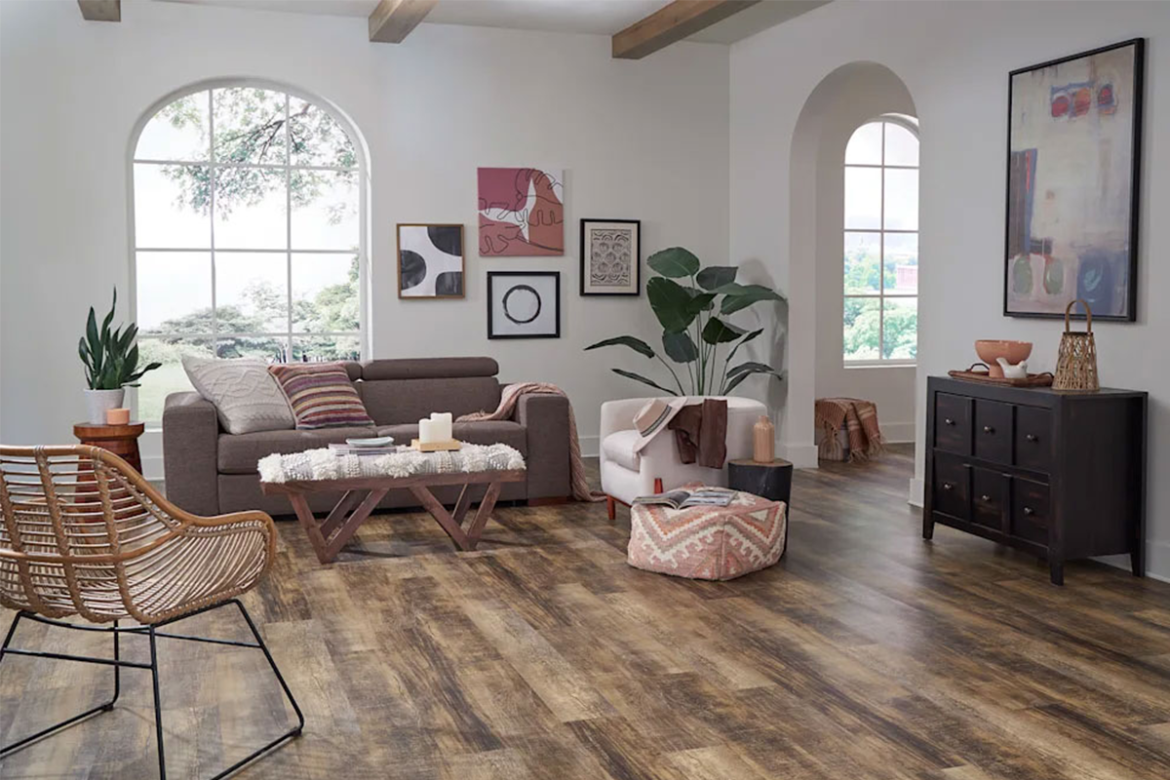
Have you ever walked through your home and felt that something was missing, even though nothing appears to be wrong?
Perhaps you’ve renovated, redecorated or invested in beautiful furniture, yet the space still doesn’t feel comfortable, functional or truly like home.
You’re not alone.
Many homeowners assume that if a house looks good, it should feel good too. But the reality is that a home’s appearance is only one part of the equation.
Often, the reason a house doesn’t feel right has little to do with finishes and everything to do with design.
It’s Not Always About Space
One of the biggest misconceptions in residential design is that more space automatically means a better home.
In reality, many large homes feel cramped, disconnected or difficult to live in, while smaller homes can feel spacious and welcoming.
The difference is usually found in the layout.
Good architecture focuses on how people move through a space, how rooms connect and how daily activities are supported by the design.
Flow is one of the most overlooked aspects of home design.
A home should guide movement naturally and comfortably.
When spaces are disconnected, circulation paths are awkward or rooms compete with one another, a house can feel frustrating without homeowners fully understanding why.
Good flow creates a sense of ease.
You shouldn’t have to think about moving through your home. It should happen naturally.
No two families live the same way.
Some people work from home.
Some love entertaining.
Some need quiet spaces to relax.
Others require practical family-focused layouts.
When a home is designed without considering the people who use it, it often feels disconnected from daily life.
A successful design starts by understanding routines, priorities and lifestyle needs before a single line is drawn.
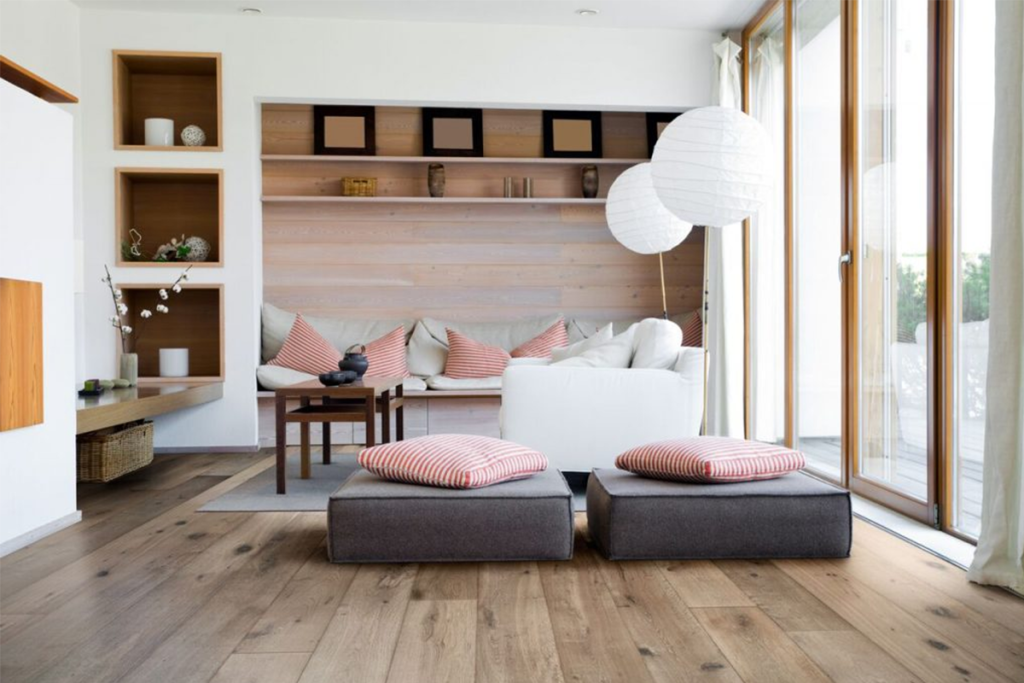
Natural light has a powerful effect on how a home feels.
Bright, well-lit spaces often feel larger, more welcoming and more comfortable to spend time in.
Poorly positioned windows or dark interior spaces can make even beautiful homes feel uninviting.
Thoughtful architectural design considers sunlight, orientation and the relationship between indoor and outdoor spaces from the beginning.
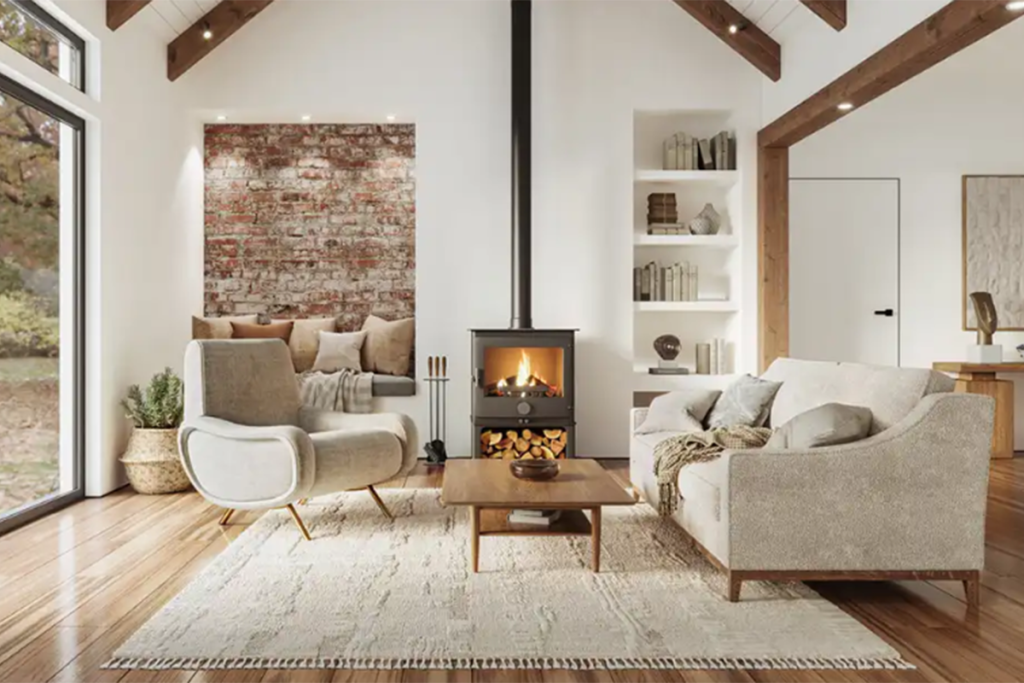
Many homeowners focus on colours, finishes and décor before addressing the fundamentals of the design.
The most successful homes prioritise:
- Functionality
- Flow
- Comfort
- Storage
- Natural light
- Lifestyle needs
Once these foundations are in place, the finishes become the final layer rather than the solution to a deeper problem.
Many homeowners focus on colours, finishes and décor before addressing the fundamentals of the design.
While these elements are important, they cannot compensate for a layout that doesn’t work.
The most successful homes prioritise:
- Functionality
- Flow
- Comfort
- Storage
- Natural light
- Lifestyle needs
Once these foundations are in place, the finishes become the final layer rather than the solution to a deeper problem.
At Ubuntu Architecture, we believe architecture is not just about creating beautiful buildings.
It’s about creating spaces that support the people who live in them.
Every project begins with understanding how our clients live, what challenges they face and how design can improve their everyday experience.
Because when a home is designed around real life, it doesn’t just look better.
It feels better and that’s what transforms a house into a home.
Leave a Reply