
The Guggenheim name has become more than a brand of art spaces. It has become a symbol of architectural ambition, experimentation and the idea that the building itself can be as powerful as the art it contains.
Solomon R. Guggenheim Museum – New York, USA
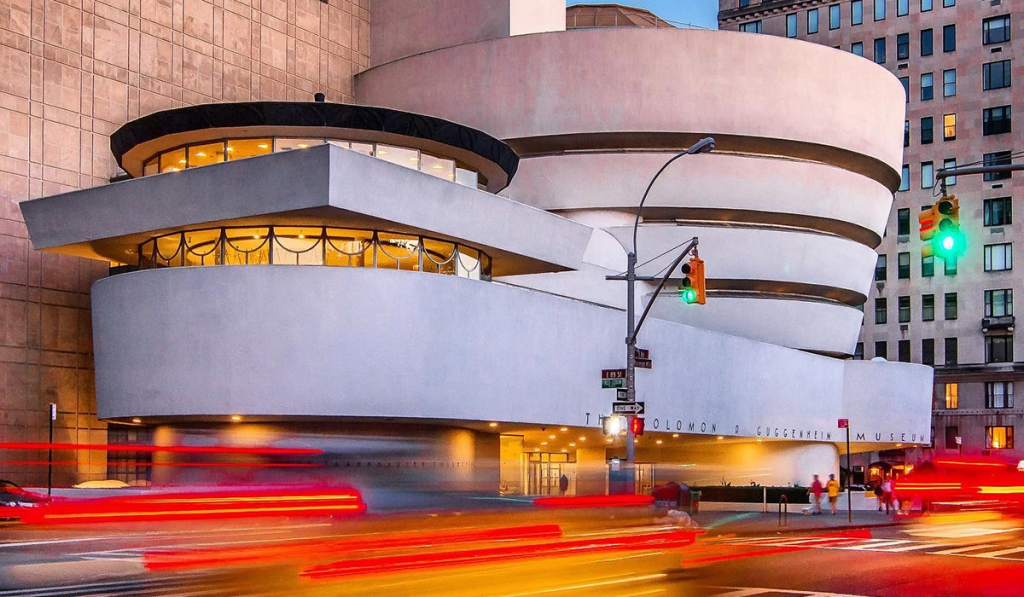
Designed by Frank Lloyd Wright, the New York Guggenheim is one of the most recognisable museum buildings in the world. Completed in 1959, its iconic spiral form breaks away from traditional gallery layouts, replacing corridors and separate rooms with a continuous ramp that guides visitors upward in a flowing journey.
Instead of moving through disconnected spaces, visitors experience art as a continuous narrative. Wright’s vision was radical for its time, prioritising movement, light and spatial experience over rigid exhibition grids.
Even today, the building remains a benchmark for how architecture can shape human behaviour inside cultural spaces.
Guggenheim Museum Bilbao – Spain
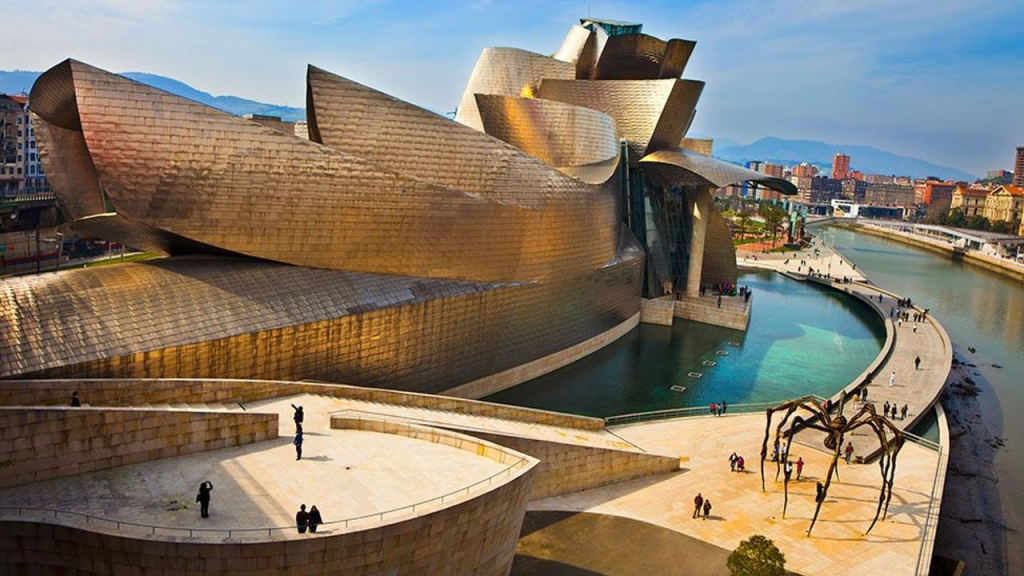
If New York redefined museum interiors, Bilbao redefined museum identity.
Designed by Frank Gehry and opened in 1997, the Guggenheim Bilbao is a landmark in deconstructivist architecture. Its titanium-clad curves and fragmented forms appear almost fluid, constantly shifting depending on light and perspective.
The museum is widely credited with transforming Bilbao from an industrial port city into a global cultural destination, a phenomenon now known as the “Bilbao Effect.” It demonstrated that architecture could drive urban regeneration, tourism and economic revival.
More than a museum, it is a sculptural icon that changed how cities think about cultural investment.
Peggy Guggenheim Collection – Venice, Italy
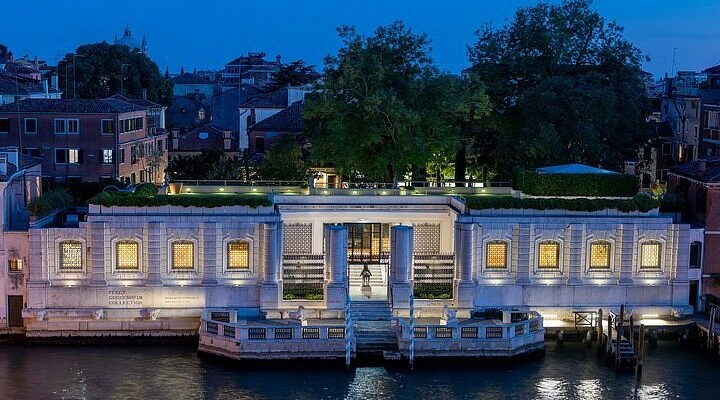
Located along the Grand Canal, the Peggy Guggenheim Collection offers a more intimate and personal experience. Housed in the unfinished Palazzo Venier dei Leoni, the museum blends modern art with historic Venetian architecture.
Unlike its monumental counterparts in New York and Bilbao, this space feels human-scale and reflective. Its sculpture garden opens directly onto the canal, creating a dialogue between water, art and architecture.
It reflects Peggy Guggenheim’s personal vision as a collector who championed modern art during a time when it was still considered controversial.
Across all Guggenheim locations, one idea remains consistent: the museum is not just a container for art, but part of the art itself. From spirals to titanium curves to Venetian palazzos, the Guggenheim legacy continues to prove that great architecture does not just house art — it becomes art.
At Ubuntu Architecture, we believe:
“I am because we are.”
Together, they show how architecture can shape cultural identity in vastly different ways while still belonging to a shared global narrative.
Leave a Reply